
Everything is on Pause
I press play a bit and then pause again

Last week, my younger brother died.
It was a Wednesday morning. My phone rang at 6:24 a.m. ‘Mum’ on my mobile. I knew what that call would be. I was right. She told me my brother had died that morning.
He had been ill for a long time. Over ten years. And when I say over, I mean over. His life had been catastrophically, noticeably, falling apart throughout that decade.
He started out with all the good things people wish for: a good degree, a great career, a beautiful wife, two healthy, brilliant children... but there was something amiss in his soul. Something that meant he could not be happy with what he had.
Not only had he ticked all the boxes, he was also good-looking, funny, sociable, emotionally intelligent, well-liked, with a great circle of friends. All of it. He had it all.
He also had alcohol.
Alcohol: 1.
Brother: 0.
That was the final score.
But before I stop talking about this, which I reserve the right to never do, I want to share something that has always made me uncomfortable: Alcoholics Anonymous.
It works for some people, yes. But I struggle with the psychology of it. (It also fails around 60% of the time.) For those that don’t know, I do have a Masters degree in psychology - it doesn’t mean that I know everything about it but I’ve grasped a smidgen of an understanding.
When you're asked to stand up and label yourself as something ‘I am an alcoholic’ you risk creating a self-fulfilling prophecy. And it’s not even true in the strictest sense.
We have neuroplasticity which is something that the very well-intentioned founders of AA couldn’t have known about. We are not fixed beings. We are always becoming, always changing. We are not our labels. We are living systems, in constant development.
Loving someone who is struggling with addiction is its own kind of torment. You don’t just lose them once. It was similar to the experience of my mother-in-law dying of Alzheimer’s in that you lose them slowly, repeatedly, over time. I lost him in conversations where he wasn’t fully there. I lost him in the reckless decisions, in the slurred words, in the silences that stretched for weeks. There were moments of return, flickers of the person he had been. Sometimes he was an out and out arse to me, smashing my favourite mug against my garden wall, Head-butting me in the face, kicking in my garden gate, being abusive. Other times he was great and hilarious and fun. But over the years, those flickers became fewer and fainter. Grief settled in long before his heart stopped.
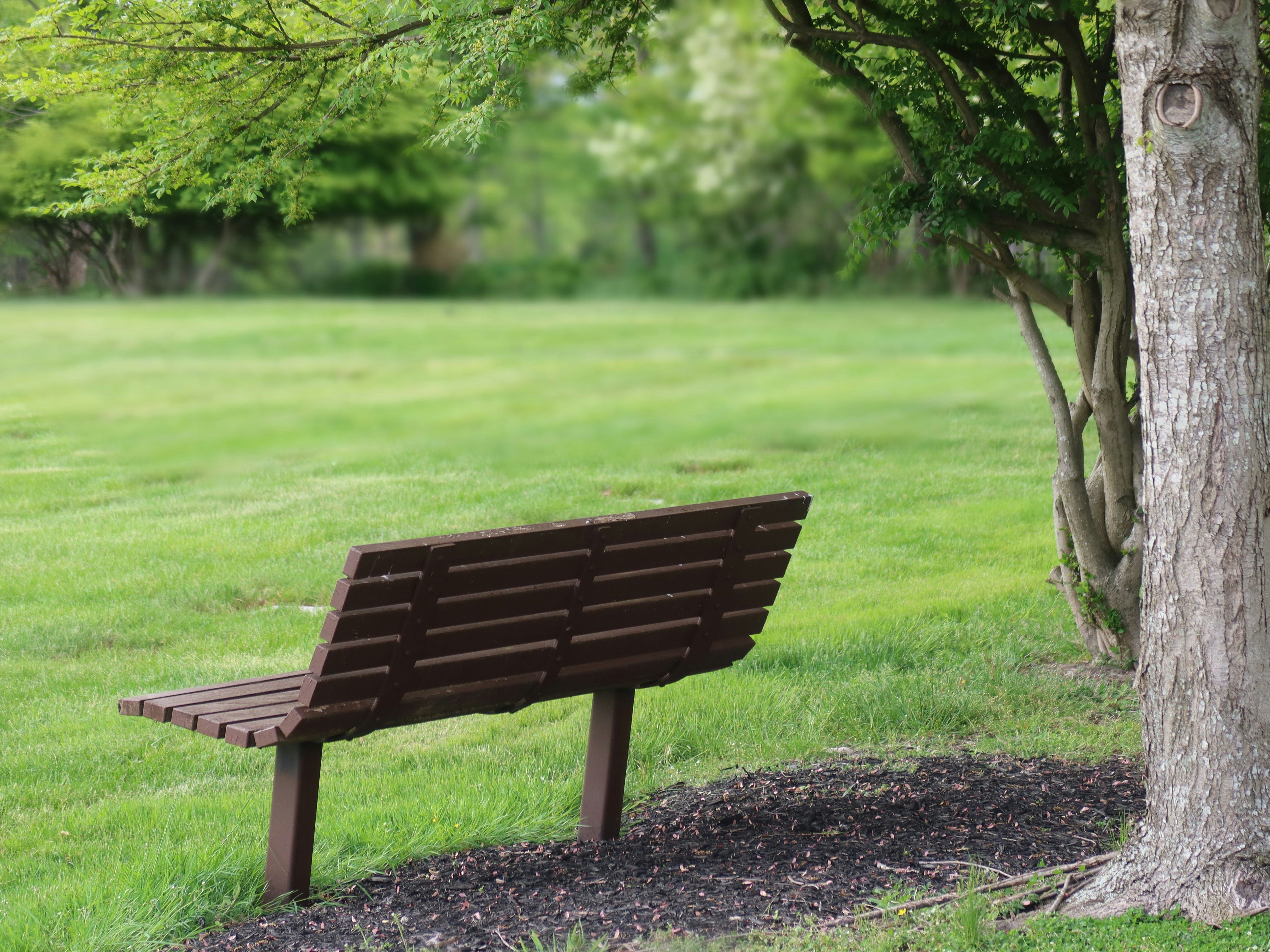
I don’t like the word alcoholic. It’s not that I’m in denial, it’s that the word is too small. It flattens a person. My brother was not an ‘alcoholic’. He was addicted to alcohol and could not give it up. More than that though: he was a father, a son, a brother, a friend. He was fun and funny. He loved music and could still make me laugh even when things were bleak. But somewhere along the line, the alcohol became louder than everything else. I don’t really know why.
Neuroplasticity shows us that the brain can change. That people can change. That labelling someone as an addict for life is not just unnecessary and might be harmful. What if, instead of telling people who they are, we helped them imagine who they might become. His time in residential rehab did try and do that - but it was not enough to get him through.
He’s gone now. The relief and the devastation sit side by side. He won’t phone anymore - he was blocked on my phone anyway because he was normally abusive to me but I won’t have another time of sharing his incredible sense of humour and funny take on the world. It is a complex problem and it needs a solution to match and we did not manage to get there.
I’m writing this because I don’t want to lose his story too. Keep laughing David, you always had funny bones.
Chantilly Lace ;)